
Apartment & Multifamily Radon Testing
Radon General Info
The EPA recommends every home be tested for radon, including multifamily residences. A living space with high radon levels poses a significant risk for the occupants. To further understand why we test for radon and the possible effects of radon, continue below.
Risks of Radon
Colorless, Odorless, Tasteless
Radon Causes Cancer
Radon is Everywhere
Radon is Radioactive
What is Radon Gas & How We Test for it?
Radon gas is a serious health hazard that can seep into our homes through any crack it can find. It is a natural source of radiation and can be very harmful to adults, children, and pets. According to the Environmental Protection Agency, radon is the second leading cause of lung cancer in the United States behind smoking and the leading cause of cancer for non-smokers. Testing is the only way to know if a home's levels of radon are high, but there is no known safe level of exposure.
Radon exposure is a serious concern for homes and businesses, and testing is the only way to know if levels are high. The EPA suggests mitigation once concentrations reach 2pCi/L, but unfortunately, levels as high as 177 PCi/L have been reported in our tri-state area of Delaware, Pennsylvania, and Maryland. In some areas, 1 in 4 homes have levels above 4 pCi/L, which can have a strong negative impact on indoor air quality. It's important to take action to ensure the safety of your indoor environment.

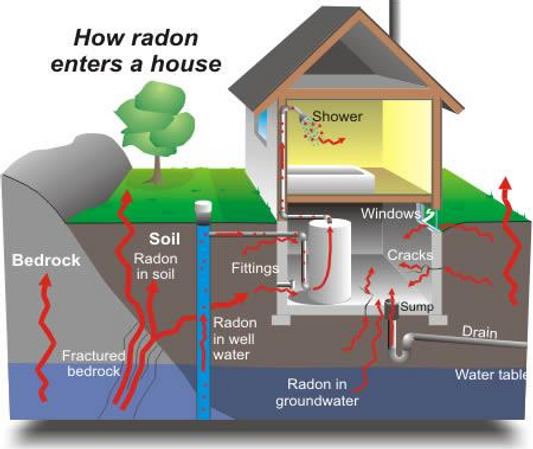
Radon gas seeps into homes through various entry points, such as foundation cracks and poorly sealed pipes. The accumulation of gas in confined spaces, particularly basements and other low-lying areas, can lead to hazardous levels over time. Exposure to radon gas can have severe potentially fatal consequences for both humans and pets. It is crucial to ensure proper sealing to prevent gas ingress and mitigate the associated risks.
How Testing Works
During a Apartment radon test the number of homes and shared spaces will be measured for radon's. The exact amount of tested spaces will be decided by the Standards used for testing. Radon test will be placed in the lowest level ,under closed home conditions for a minimum of 48 hours. Once the radon monitors have been retrieved, your NRPP certified radon technician will send you a report outlining the average radon level in your, as well as indicate if your Radon Levels are low or elevated.
All windows need to be shut 12 hours prior to the start of the test and remain shut through the entire duration of the testing period. Exterior doors may be opened for normal use but cannot be propped open. Failure to comply with closed conditions may result in either a false low radon level or even a false elevated level. Your technician may order a 4 day test if windows are open at the start of the testing period or may declare the results void if windows are opened during the testing period or at the end.

.png)